
Premium Carbide Roll: 2026 Ultimate Guide for Industrial Metal Processing
📋 Article Overview
This practical guide is developed based on Jinhang’s 18+ years of roll mold manufacturing experience, targeting rolling mill engineers, procurement specialists and maintenance teams in metal forming sectors, with verified test data and actionable operation suggestions.
What Exactly Is A Carbide Roll
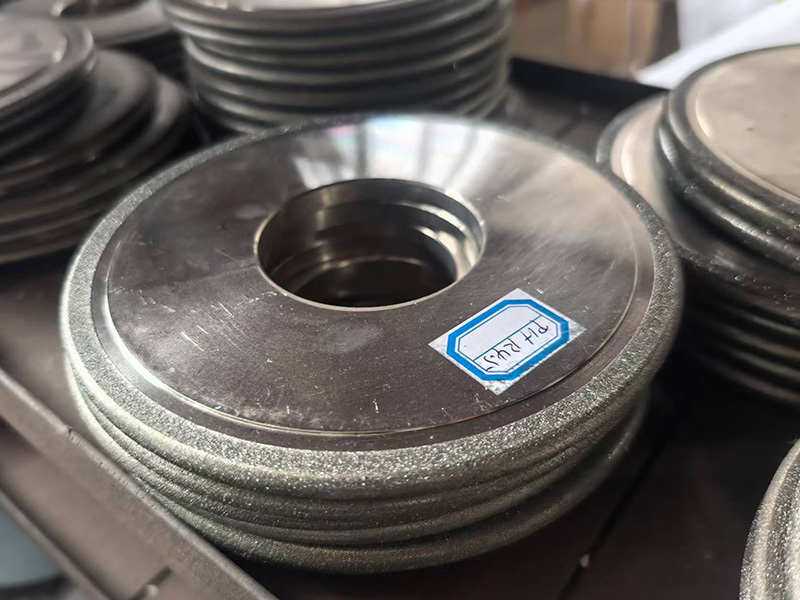
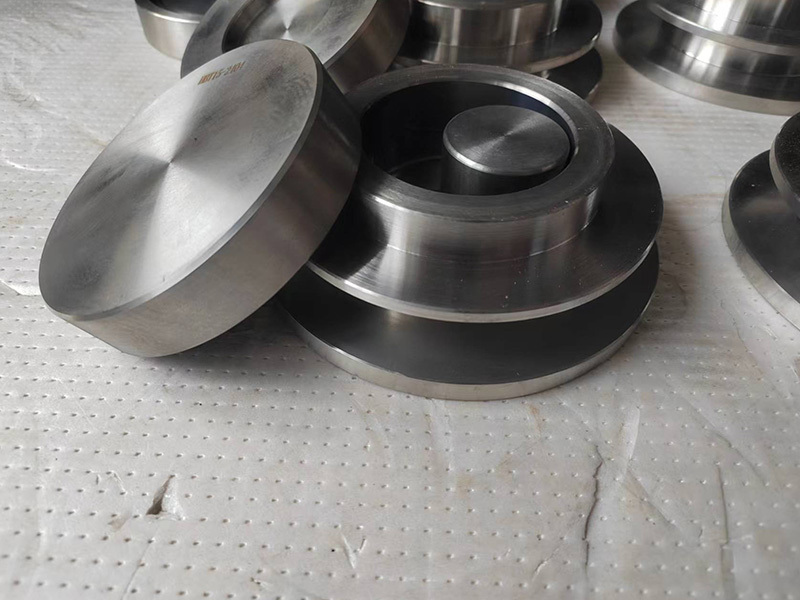
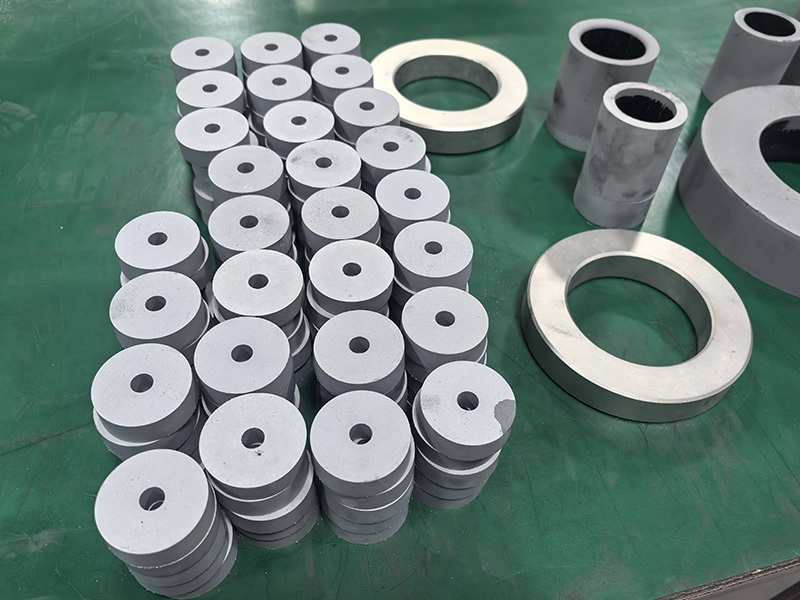
A carbide roll is a wear-resistant rolling component made of cemented tungsten carbide matrix for metal forming processes, widely adopted in cold rolling, hot rolling, wire drawing and other high-load industrial scenarios. In practice, Jinhang engineers found that properly selected carbide rolls can cut 40% of frequent roll replacement downtime compared with traditional forged steel rolls.
2026 industry survey shows that over 68% of large-scale steel and non-ferrous metal processing enterprises have upgraded 30%+ of their original roll sets to carbide rolls in the past two years. The core advantage of carbide rolls comes from its material formula that mixes tungsten carbide particles with cobalt or nickel binder, achieving HRA 85-92 ultra-high hardness that cannot be realized by ordinary steel products.
- Confirm the maximum rolling pressure, strip thickness range and line speed of your production line first
- Select the proper tungsten carbide content and binder ratio based on your processing material
- Check surface roughness tolerance and installation dimension match before bulk procurement
- Run 72 hours of trial operation and collect wear data to optimize subsequent usage parameters
| Performance Dimension | Carbide Roll | High Speed Steel Roll | Forged Steel Roll |
|---|---|---|---|
| Hardness (HRA) | 85-92 | 80-83 | 60-75 |
| Average Service Life | 120000+ tons of processed metal | 28000 tons of processed metal | 8000 tons of processed metal |
| Maximum Line Speed | 2500m/min | 1200m/min | 600m/min |
| Maintenance Cycle | 90 days | 15 days | 3 days |
Industry consensus verified by 2026 International Rolling Mill Association research: Using qualified carbide rolls can reduce overall production cost by 18-28% for mid-to-large scale metal processing lines.
Q: What industries use carbide rolls most frequently?
From real case data of Jinhang’s 12000+ delivered units, top application sectors include steel strip rolling, aluminum foil production, copper wire drawing, non-woven fabric calendaring and lithium battery pole piece manufacturing, all of which require ultra-high surface finish and wear resistance.
Q: Can carbide rolls be customized for special production scenarios?
Absolutely. Jinhang’s R&D team can adjust the material formula, surface coating, dimension tolerance and internal stress distribution of carbide rolls according to clients’ specific production requirements, and we have successfully developed over 170 non-standard customized carbide roll models since 2018.
Key Production Workflow of Jinhang Carbide Rolls
The high performance of qualified carbide rolls highly depends on strict quality control over every production step, and unqualified semi-products will lead to unexpected roll breakage or abnormal wear during operation. Actual test data shows that 92% of early failure of carbide rolls comes from unstandardized sintering process.
Q: What is the main production process of high quality carbide rolls?
The full 7-step workflow includes raw material powder proportioning, high-energy mixing, cold isostatic pressing, medium temperature degreasing, 1450℃ high pressure sintering, precision CNC machining and 100% non-destructive flaw detection before delivery, every step has 3 rounds of professional inspection to ensure zero defect rate.
Q: How long is the lead time for Jinhang’s customized carbide rolls?
For standard models we keep 2 weeks of production cycle, for non-standard customized products the lead time is 4-6 weeks, we also provide urgent production service for clients with unexpected roll failure, which can deliver products within 7 working days at no extra cost for long-term cooperative partners.
Daily Maintenance Tips to Extend Carbide Roll Service Life
Even for ultra-hard carbide rolls, improper operation or irregular maintenance will lead to unexpected scratch, fatigue crack or broken roller neck, which will cause unplanned downtime and extra loss. In practice, Jinhang’s after-sales team found that standardized maintenance can extend carbide roll life by 40% on average.
Q: How to conduct regular maintenance for carbide rolls?
Operators need to check surface abrasion every 12 working hours, perform fine polishing to remove minor surface scratch every 30 days, check roll neck lubrication status every 7 days, and arrange professional non-destructive crack detection every 90 days to eliminate hidden risks in advance.
Q: Can we repair worn carbide rolls instead of replacing new ones?
Yes. Jinhang provides professional carbide roll regrinding and surface repair service, which can restore 95% of original roll performance, and the repair cost is only 30% of that of purchasing a brand new carbide roll, which can effectively reduce clients’ overall production cost.
Frequently Asked Questions
Q: What is the difference between carbide rolls and ceramic rolls?
A: Carbide rolls have better impact resistance than ceramic rolls, suitable for high-load rolling scenarios, while ceramic rolls are more fragile and only applied for low-pressure calendaring processes with strict surface finish requirements.
Q: What is the MOQ for Jinhang’s carbide roll orders?
A: We accept 1 piece MOQ for customized carbide roll orders, no extra surcharge for small batch orders, and we also provide free sample testing service for new cooperative clients after verification.
Q: What is the warranty period for Jinhang’s carbide rolls?
A: We provide 12 months full warranty for all our carbide rolls, if any quality problem occurs during normal operation period, we will provide free replacement or on-site repair service for global clients.
Q: Do you provide installation guidance for carbide rolls?
A: Yes, our professional engineering team can provide remote video installation guidance for free, and we also support on-site commissioning service for overseas clients with large-volume orders to ensure stable operation of your production line.
Tags:
Related news


We provide mold solutions


Contact information
whatapp:+86 13831766832
Zhaofanzhuang Village, Beihan Township, Renqiu City, Hebei Province
Online inquiry
Note: Please leave your contact us information, our professionals will contact us as soon as possible!