
Exploring the Applications of Hard Alloy Molds in Various Industries
Introduction to Hard Alloy Molds
When it comes to manufacturing, the right tools can make all the difference. Enter hard alloy molds, the unsung heroes of many industries. These durable tools are crafted with precision and are essential in shaping materials for everything from electronics to automotive parts. Let's take a closer look at what makes these molds so indispensable!
Why Choose Hard Alloy Molds?
So, why are hard alloy molds the go-to option for manufacturers? Well, they boast impressive strength and durability compared to their plastic or steel counterparts. This means they can withstand high pressures and temperatures, making them perfect for high-volume production. Who wouldn't want a tool that lasts longer and performs better?
Diverse Applications
From automotive manufacturing to electronics, the applications of hard alloy molds are vast. Let's break down a few key areas:
1. Automotive Industry
The automotive sector relies heavily on hard alloy molds for producing components like engine parts and body panels. These molds allow for precise shaping and greater efficiency in production. Imagine speeding up assembly lines without compromising quality—sounds like a win-win!
2. Electronics Manufacturing
In electronics, hard alloy molds are crucial for creating intricate parts such as connectors and casings. With technology advancing at lightning speed, the need for high-quality, precise molds continues to grow. Talk about keeping up with the times!
3. Medical Devices
The medical field demands the utmost precision, and hard alloy molds deliver just that. From surgical instruments to diagnostic devices, these molds ensure that every component is manufactured to the highest standards. Safety and reliability? Absolutely!
Manufacturing Process
Now that we've covered the applications, let's briefly touch on how these molds are made. The manufacturing process typically involves:
- Designing: Using CAD software to create detailed designs.
- Machining: Utilizing CNC machines to carve out the mold shape.
- Finishing: Ensuring the surface is smooth and free of imperfections.
The Role of a Hard Alloy Mold Factory
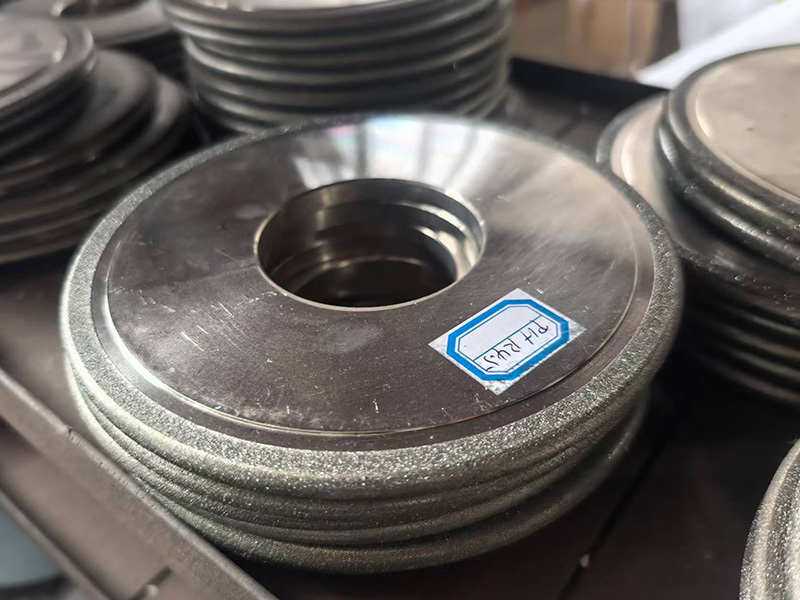
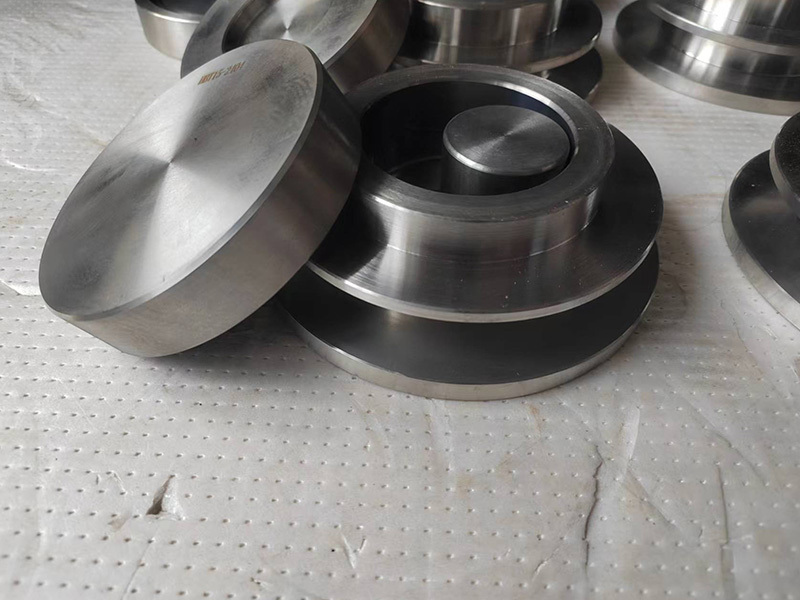
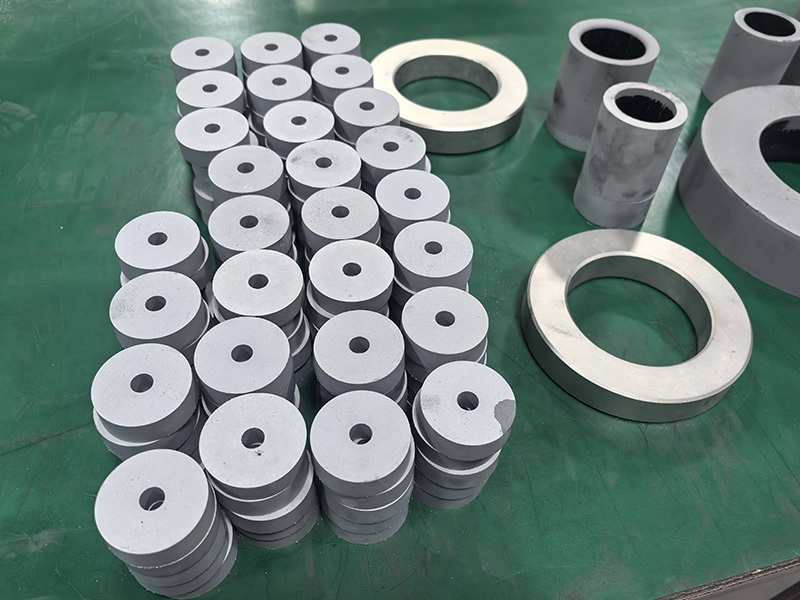
A hard alloy mold factory plays a crucial role in this ecosystem. These facilities not only produce the molds but also innovate and adapt to meet the ever-changing demands of different industries. The collaboration between designers and manufacturers is critical to ensuring that the molds fulfill specific requirements.
Future Trends
As technology progresses, so do the materials and methods used in mold-making. The future is bright for hard alloy molds, with advancements such as:
- 3D Printing: Revolutionizing the way molds are designed and produced.
- Eco-friendly Materials: Offering sustainable options that don't compromise on quality.
- Smart Manufacturing: Integrating AI and IoT for enhanced efficiency and precision.
As we look ahead, it's clear that hard alloy molds will continue to evolve, paving the way for new possibilities.
Conclusion
In a nutshell, hard alloy molds are essential tools that support a myriad of industries. Their durability, precision, and adaptability make them a favorite among manufacturers. So, the next time you see a finely crafted product, remember the hard alloy mold that played a vital role in its creation. Isn't technology amazing?
Tags:
previous
previous
Related news


We provide mold solutions


Online inquiry
Note: Please leave your contact us information, our professionals will contact us as soon as possible!