
Exploring the World of Carbide Mold Factories

Image Source: unsplash
Introduction to Carbide Molds
Have you ever wondered how intricate parts are crafted with such precision? Enter the realm of carbide molds! These unsung heroes of manufacturing play a pivotal role in shaping diverse products across numerous industries. From automotive components to household goods, let's uncover the magic behind these molds.
What Are Carbide Molds?
Carbide molds, or as we might say in English, "hard alloy molds," are crafted from a combination of tungsten carbide and cobalt. This unique blend gives them exceptional hardness and wear resistance, making them ideal for high-volume production. So, why are they the go-to choice for manufacturers? Well, they offer durability and efficiency, reducing the need for frequent replacements!
The Role of Carbide Mold Factories
Carbide mold factories are the backbone of the manufacturing process. These facilities are specialized in creating molds that meet the specific needs of various industries. Think about it: every time you see a product that has a specific shape, a mold was used to create that form. The factories employ skilled technicians who meticulously design and produce these molds, ensuring they meet stringent quality standards.
Why Choose Carbide Molds?
When it comes to choosing molds, manufacturers often find themselves at a crossroads. Do they opt for plastic, aluminum, or carbide? The answer usually leads them to carbide due to its strength and longevity. Additionally, carbide molds can withstand extreme pressure and temperatures, making them suitable for various applications.
The Manufacturing Process
Now, let's delve into how these molds are made. The process begins with selecting high-quality raw materials. Once the materials are ready, they undergo a process called sintering, where they are heated to a high temperature to form a solid piece. This is followed by precision machining where the molds are shaped to meet specific designs.
Quality Control Measures
Quality control is paramount in any manufacturing process, and carbide mold factories are no exception. Each mold undergoes rigorous testing to ensure it meets industry standards. From dimensional accuracy to surface finish, every detail is scrutinized before the mold is deemed ready for use.
Applications of Carbide Molds
Carbide molds find their applications in various sectors. The automotive industry relies on them for producing parts like gears and shafts. In electronics, they are used to create intricate components that require utmost precision. Even in the medical field, carbide molds are essential for manufacturing surgical tools and devices. The versatility of these molds is truly impressive!
Future of Carbide Mold Factories
As technology advances, so do the capabilities of carbide mold factories. Automation and digital manufacturing techniques are becoming commonplace, streamlining production and enhancing precision. Moreover, the growing demand for sustainable practices has led factories to explore eco-friendly materials and processes, ensuring they meet modern environmental standards.
Conclusion
In conclusion, carbide molds and their factories are at the forefront of modern manufacturing. With their exceptional properties and diverse applications, they continue to shape the products we use every day. So next time you pick up an item, take a moment to appreciate the intricate process that brought it to life—thanks to the hardworking carbide mold factories!
Tags:
Related news

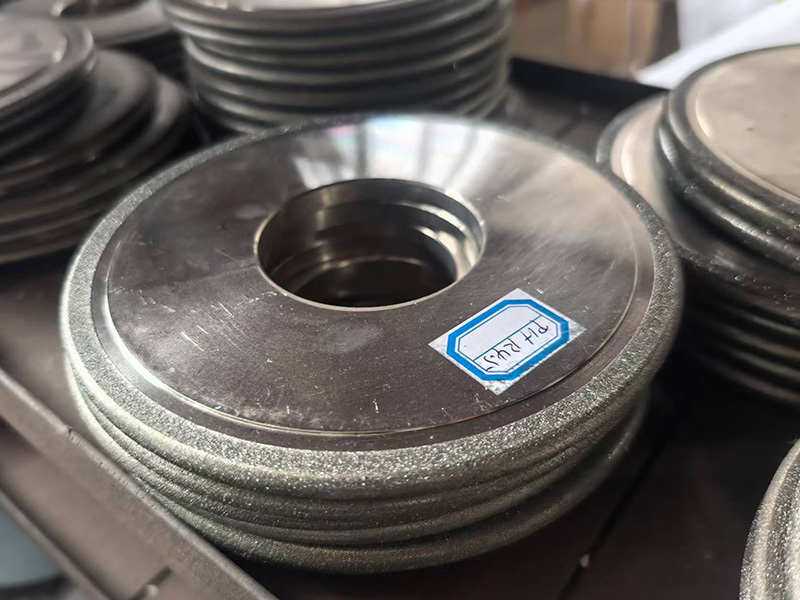
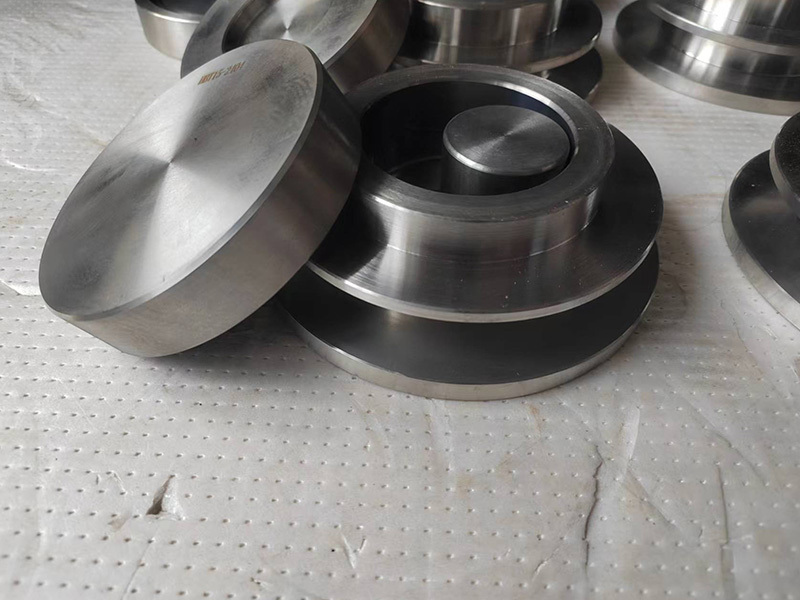
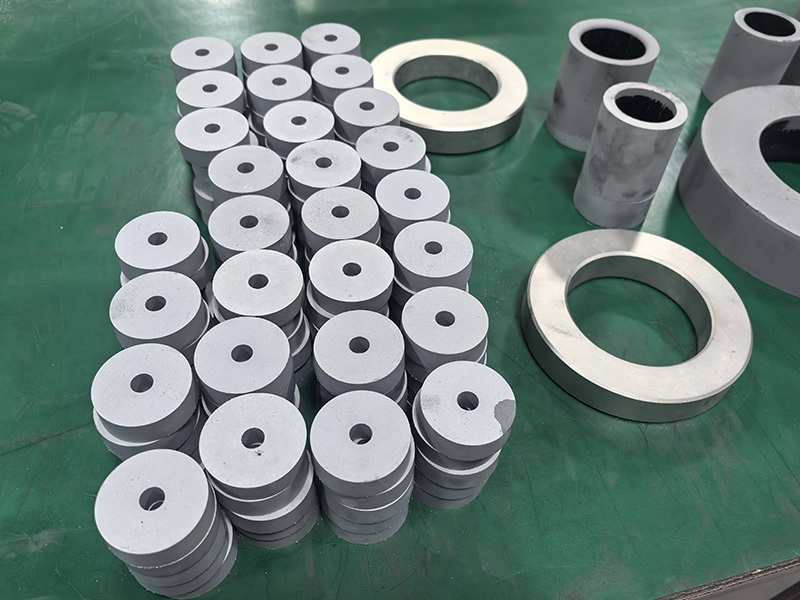

We provide mold solutions


Online inquiry
Note: Please leave your contact us information, our professionals will contact us as soon as possible!